

Mprosevir®, an oral small molecule against COVID-19 with an entirely new scaffold, went from first discovery to completed clinical trials in just three and a half years. How did the team compress that timeline? This article traces the birth of Westlake Pharmaceuticals’ first drug. Reprinted from the Westlake University WeChat account.
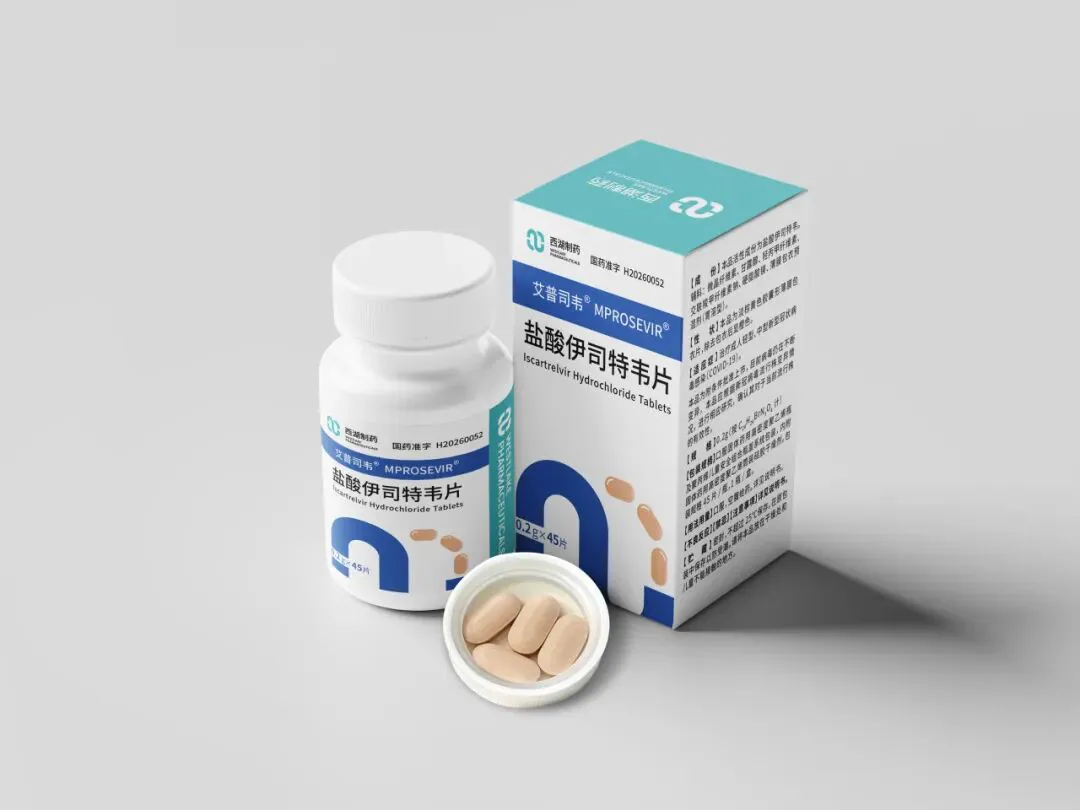
The innovative drug iscartrelvir hydrochloride tablets (trade name: Mprosevir®), jointly developed by Westlake University, Westlake Laboratory and Westlake Pharmaceuticals, recently received conditional approval from the National Medical Products Administration. It is Westlake University’s first fully self-developed Class 1 innovative drug, indicated for adults with mild to moderate COVID-19. Class 1 is the highest category in China’s drug registration system: it represents original innovation from 0 to 1, with a wholly new chemical structure, a new mechanism of action and clear clinical value.
But interest in Mprosevir® goes well beyond “a COVID-19 drug”. It is the first small-molecule innovative drug anywhere to be approved on the basis of DNA-encoded library (DEL) technology — 34 years after the concept was proposed, DEL has finally delivered a from-0-to-1 breakthrough. It is also the first original drug approved in China with AI-assisted discovery: three and a half years from first discovery to completed clinical trials.
Three and a half years instead of ten. What happened behind Mprosevir®? What role did “DEL × AI” play in that race? And where, from basic research to industry, does real change come from? The answer lies in one extreme screen, from 49 billion down to one.
There is a classic strategy in fighting viruses: rather than attacking the virus head-on, block its replication. The SARS-CoV-2 main protease, 3CLpro, is the key pair of scissors in viral assembly — the virus depends on it to cut out functional proteins and assemble the enzymes needed for replication. Block the blades and the virus cannot copy itself. That made 3CLpro one of the most pursued targets against SARS-CoV-2, with more than 100 programmes worldwide by the end of 2025.
Before Mprosevir®, the marketed 3CLpro inhibitors rested on two molecular scaffolds. Mprosevir® represents a third, entirely new scaffold. Unlike conventional design that patches known scaffolds, Mprosevir® is the first 3CLpro inhibitor discovered from scratch through DEL. It has a low risk of off-target effects, a wide safety margin, does not require ritonavir boosting, and shows broad-spectrum inhibition across coronaviruses.
So how did Westlake’s scientists find it in a molecular universe as vast as the stars?
The programme was designed chiefly by Westlake University professors Hongtao Yu, Hu Qi and Jing Huang, together with Assistant President Tingliang Wang. Hongtao Yu formed the task force; Hu Qi led the chemical biology laboratory, responsible for target protein work and drug experiments; Jing Huang specialised in models and algorithms for molecular simulation and drug design; Tingliang Wang drove the whole chain from capital raising to technology transfer. 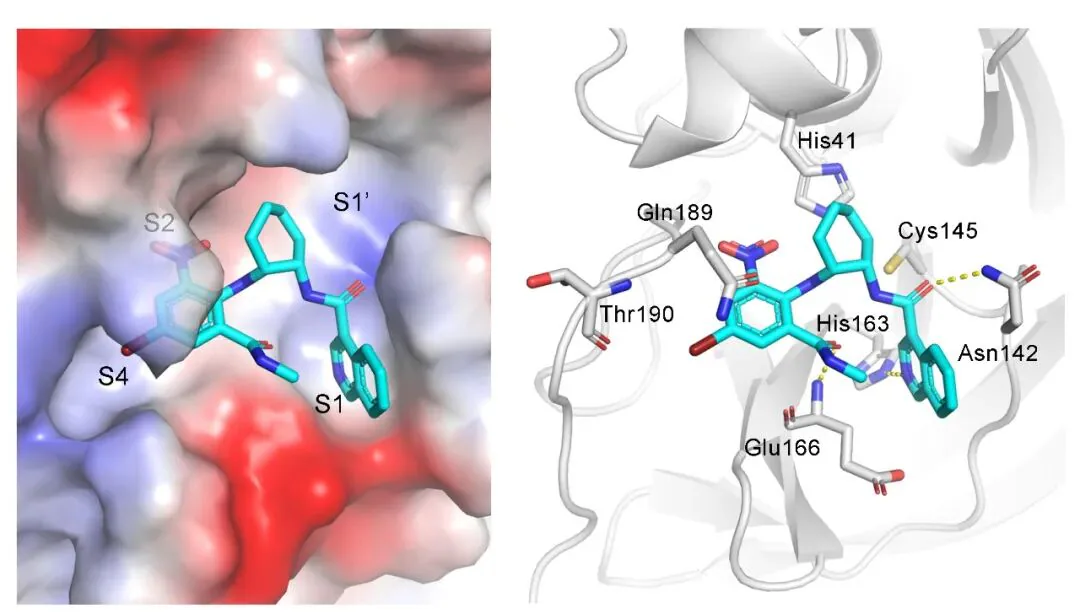
Binding mode of the Mprosevir® molecule with 3CLpro
In March 2020 the task force was formally established, aimed at the SARS-CoV-2 3CLpro. Where would the starting hit compounds come from? The team looked to DEL. DEL screening is a powerful strategy for obtaining hits, proposed in 1992 by the molecular biologist and “father of the nematode” Sydney Brenner together with the chemist Richard A. Lerner. In simple terms, it builds a vast pool of hundreds of millions of compounds, each carrying a unique DNA barcode — like the tag on a tea bag. The target protein (3CLpro, say) is dropped into the pool and fished out again: compounds that bind the protein stick to it, and reading their DNA barcodes reveals which molecules took the bait. That is the basic principle.
Reality is far messier. Some molecules bind the target but not at a functional site; others bind without specificity, sticking to anything; and a DEL pool holds hundreds of millions of compounds, so the imagined “fishing trip” is really a gigantic net. A single pull can bring up tens of thousands of molecules, and synthesising and testing them one by one would be unthinkable.
That is why, over 34 years, DEL became a standard tool at large pharmaceutical companies yet never produced an approved original drug. And it is exactly this kind of noisy, massive dataset where AI earns its place.
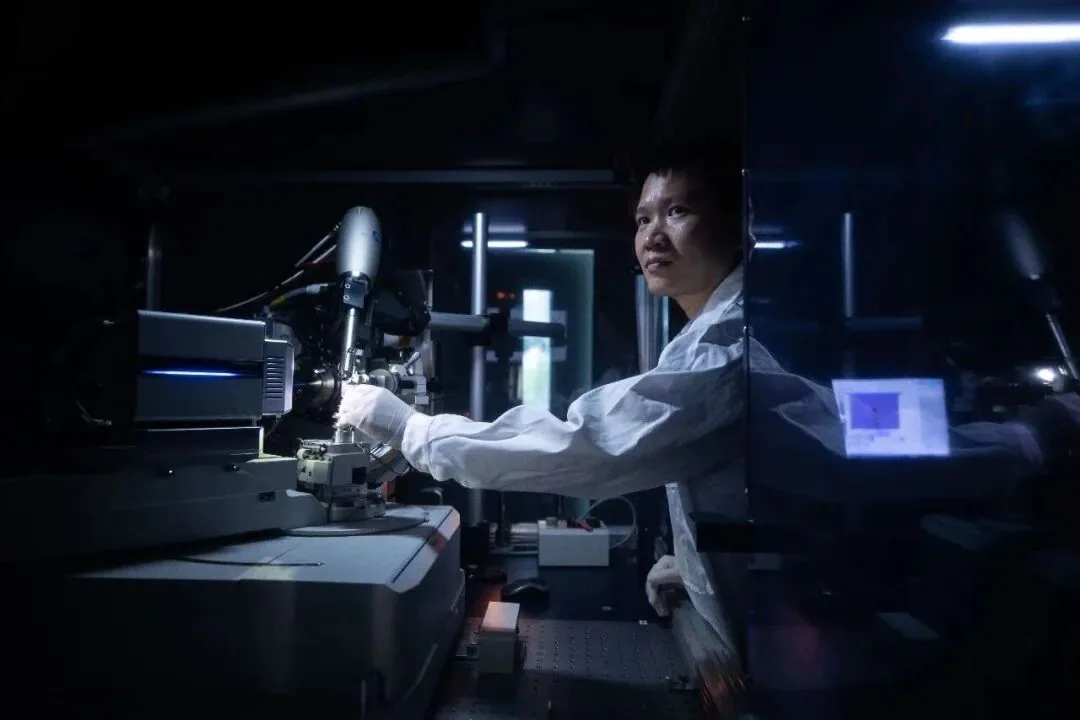
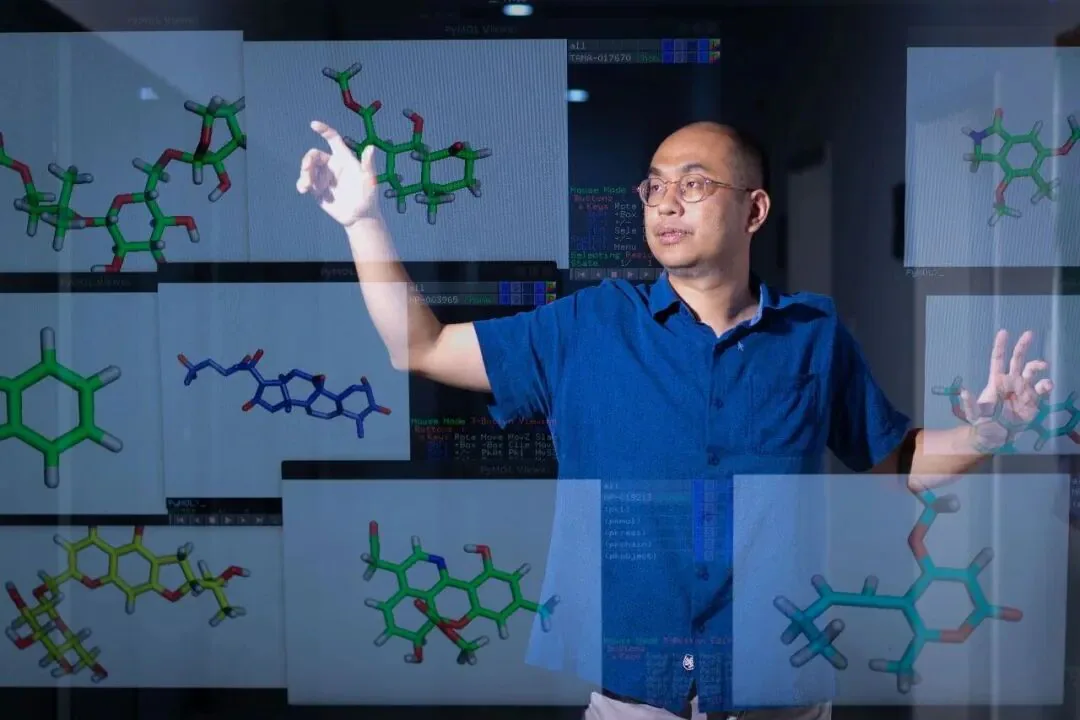
From the start, this hunt was designed as a dual engine of “AI × DEL”: AI performs virtual screening to strip out false positives and find the one molecule that can actually become a drug. “Nobody in the world had done it, and we were the first to try,” Jing Huang recalled. Training AI requires algorithms, compute and data — and the data must be high quality. Where would it come from? Jing Huang’s team first ran a round of conventional computational virtual screening against 3CLpro, shortlisting a few dozen candidates. Those candidates were handed to Hu Qi upstairs, whose team quickly measured their inhibitory activity against 3CLpro. That real data gave the model its first training, letting it gradually learn the molecular recognition rules of 3CLpro.
A “weak” AI model was born.
The DEL library chosen for this programme contained 49 billion compounds. DEL screening surfaced more than 100 promising hits, each of which would conventionally have had to be synthesised and tested individually — enormous cost in labour and materials. This time the AI model stepped in and, within days, narrowed the field to nine molecules. Activity testing showed that six of the nine were highly active: an extremely high hit rate. Toxicity, metabolism and other developability assessments then narrowed the circle further, locking in the candidate numbered WLU6937. WLU stands for Westlake University; 6937 reflects how fierce the competition among candidates was.
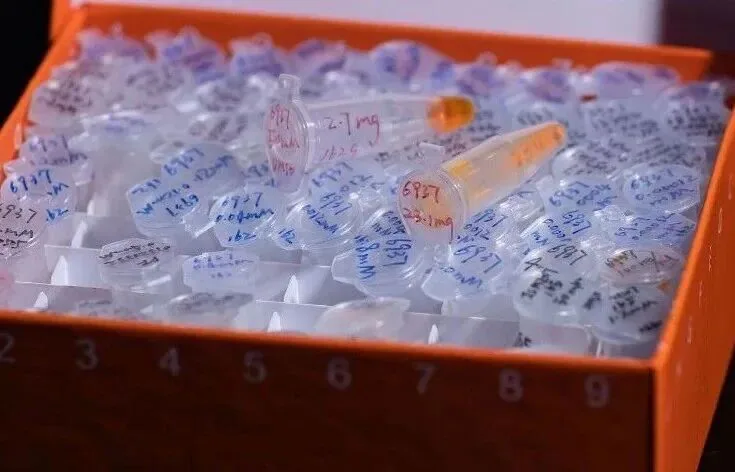
Original drug discovery has a famous “rule of three tens”: ten years, a billion dollars, and less than a 10% success rate. The Westlake team went from cloning the 3CLpro protein to selecting WLU6937 in six months. “Mprosevir® shows that genuine AI-assisted drug discovery is efficient and feasible today,” Tingliang Wang said.
WLU6937 was not the planned endpoint, of course. Over the following two years the team ran the full optimisation sequence around the molecule — improving activity, developability and toxicity, and moving from cell assays and mouse studies through to clinical trials. AI was deeply involved here too. Combining advanced AI architectures with structural biology, medicinal chemistry and biochemistry, they built the drug discovery platform WAND (Westlake AI for Novel Drug — also the word for “magic wand”), retraining models on data generated by wet-lab experiments to keep improving prediction accuracy.
Remarkably, later experiments confirmed that WLU6937 was the optimum. In other words, with AI in the loop, DEL hit the bullseye directly. The thought experiment of 34 years earlier had finally run end to end.
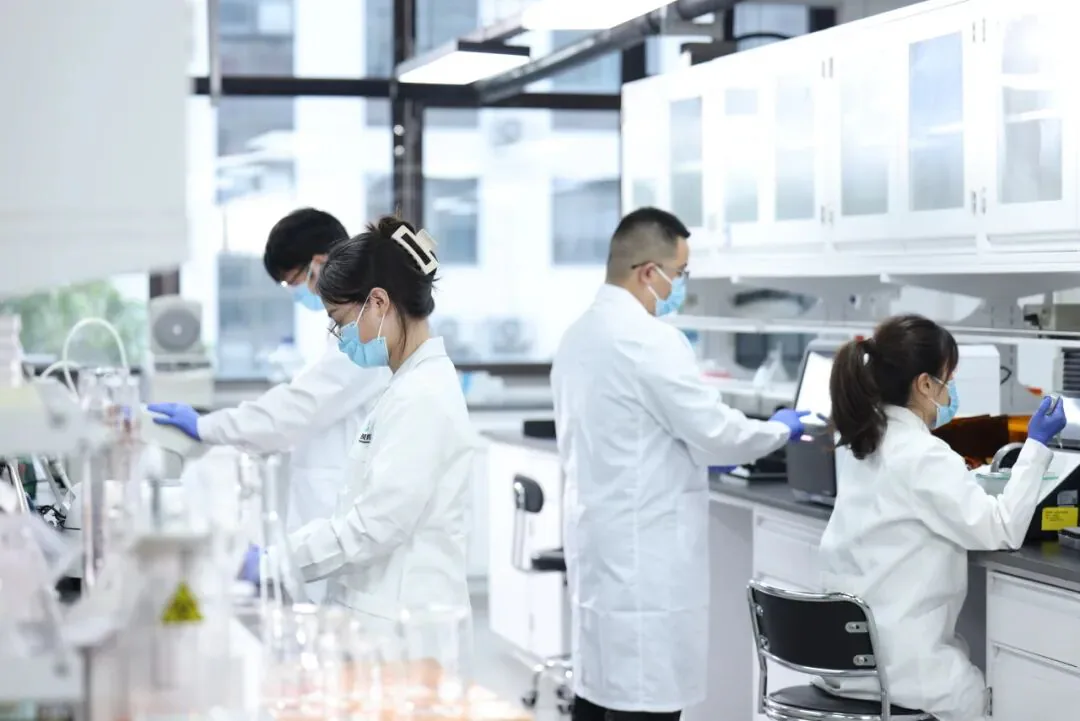
There was more good news. The success of WLU6937 validated the precision of that initially “weak” model. The team fed the mass of DEL screening data back into the AI model — a round of “data feedback”.
Jing Huang stresses the distinction: “We do DEL × AI, not DEL + AI.” Multiplication means wet and dry experiments deeply combined, data and model reinforcing each other, rather than simply doing DEL first and AI afterwards. Tempered by real DEL data, the once-weak model became a strong one grounded in massive real-world data — able not only to predict for the current target but to respond quickly to viral mutation, ready for the next generation of drugs.
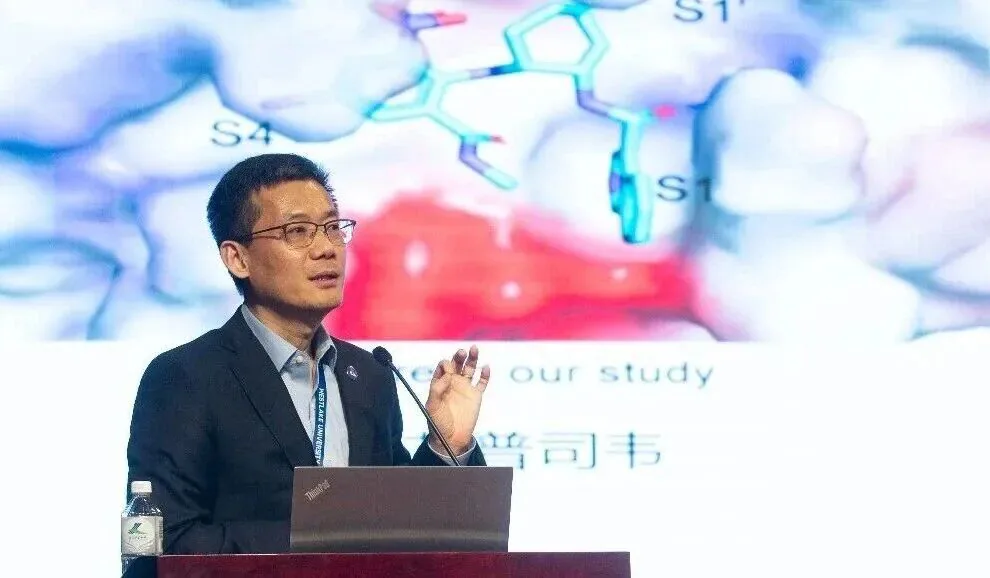
Looking back to early 2020, in the darkest days of the outbreak, Hongtao Yu started a group chat to discuss whether to work on a COVID-19 drug. Hu Qi said at the time: “Original drug discovery usually takes more than ten years — the epidemic may well be over before the drug exists.” Hongtao Yu still thought it worth doing. The fight between humans and viruses is a long one, and it was precisely because drug development stopped after the 2003 SARS outbreak that the world found itself with nothing to use against COVID-19.
Now they had found the one unique molecule among 49 billion possibilities; put that molecule into a tablet; and into that tablet had written a new formula composed by AI under the close guidance of scientists. What they gained was not just a drug molecule but an AI model that keeps growing.
From 49 billion to one is a marvel of numbers, and the landing of a scientific conviction. This search, which began with an epidemic but does not end with it, proves one thing: when human intelligence and artificial intelligence move in the same direction, the ten-year bargain may indeed be settled early.
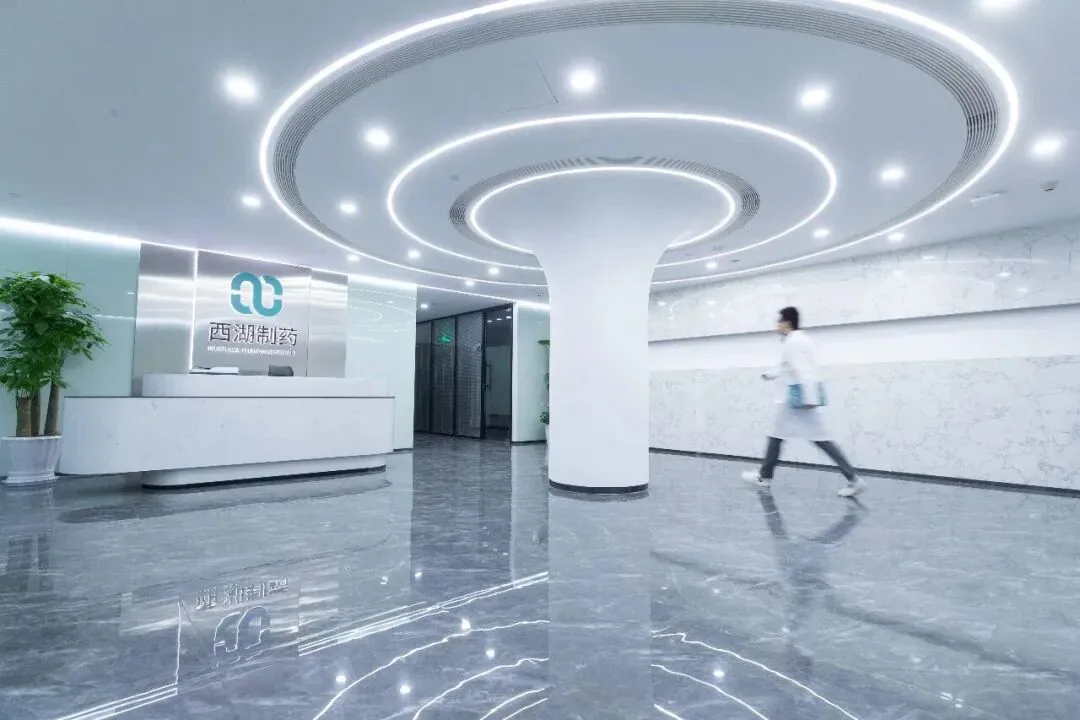
Postscript: the double helix
On 29 July, when news of the approval arrived, Tingliang Wang pictured a film’s end credits — a long list scrolling slowly past. On it were colleagues who fought their way back to campus during lockdown, sister universities and P3 laboratories that supported the virus work, the dozens of hospitals that ran the trials, and investors who committed capital despite enormous risk.
It looks like a perfect coincidence: a capable team, an epidemic, a decision to make a drug, and then some luck to hit the target first time. But was it only luck?
“Westlake University has been preparing for this moment since its first day,” Tingliang Wang said.
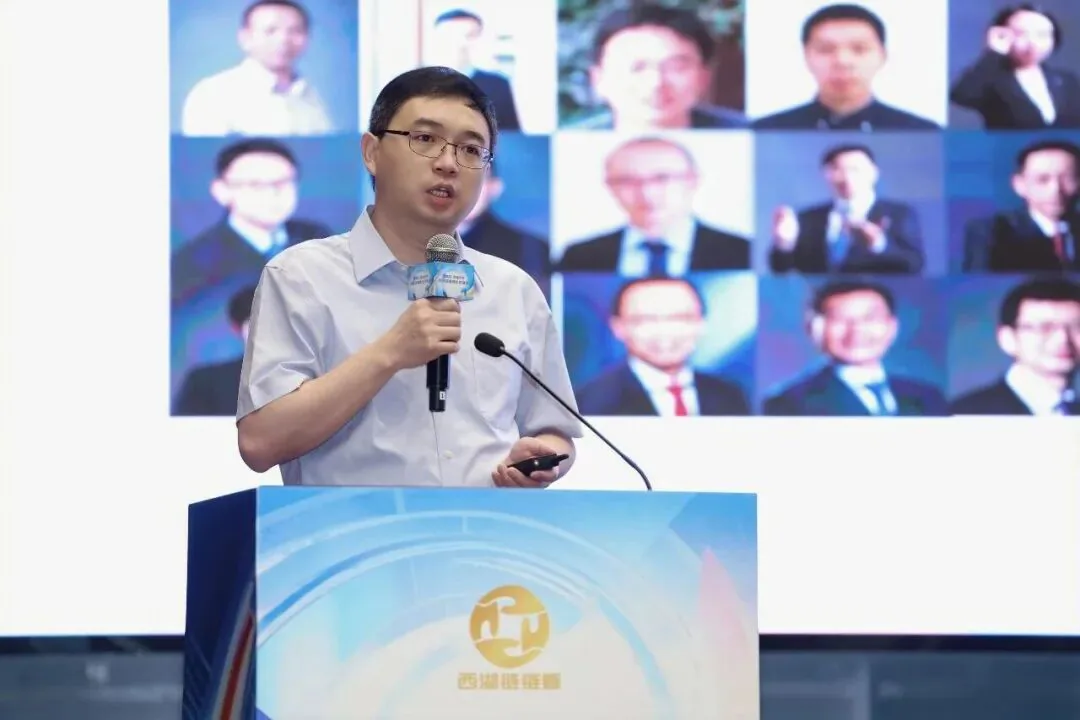
One of the earliest members sent from Tsinghua to help build Westlake, he has spent these years on a single task: turning laboratory results into something people can actually use. “Technology transfer cannot just be moving papers around. We have to build a bridge across the gap between research and industry.” A biology PhD, he gave the bridge a name: the double helix. Basic research and industrial translation are like the two strands of DNA — each with its own role, winding upward together.
The birth of Mprosevir® was a live test of that double-helix mechanism. From early screening to clinical trials, from Westlake Pharmaceuticals’ venture financing to its strategic partnerships, the structure lifted the research team across the gap between basic research and industrial application. Being rooted on campus while connected to capital and markets is what let a frontier discovery move quickly into the clinic.
Halfway through the programme, Westlake University set up a Proof-of-Concept Centre for Innovative Drugs, building a full chain of “screening — functional validation — optimisation — clinical validation” so that every step from idea to tablet had someone to carry it forward.
WAND, first built by Westlake Pharmaceuticals, is no longer a specialist that only recognises 3CLpro but a generalist that can predict drugs for many targets; more than a dozen candidates are progressing on the platform. In 2023 Westlake Pharmaceuticals joined the ranks of quasi-unicorns. To date, Westlake has incubated 67 technology transfer companies with a combined valuation above RMB 20 billion. For a university less than ten years old, a distinctive industrial translation matrix is taking shape.
Call for innovative drug incubation projects
The Proof-of-Concept Centre for Innovative Drugs established by Westlake University has been recognised as one of the first proof-of-concept centres in Zhejiang. Working with the Zhejiang International Trade Group, the centre provides research validation funding for early projects and angel investment for project companies through the Westlake Innovation Fund, mobilising industrial, capital and policy resources across the whole growth cycle.
To accelerate more original innovation, the centre is opening a new round of proof-of-concept project calls in the life sciences. Accepted projects receive full-cycle “technical validation + commercial validation” support, refining technical feasibility, clinical value and commercial path. Outstanding projects also receive proof-of-concept funding, helping teams cross the first mile from laboratory to industrialisation.
Centre email: venture@westlake.edu.cn